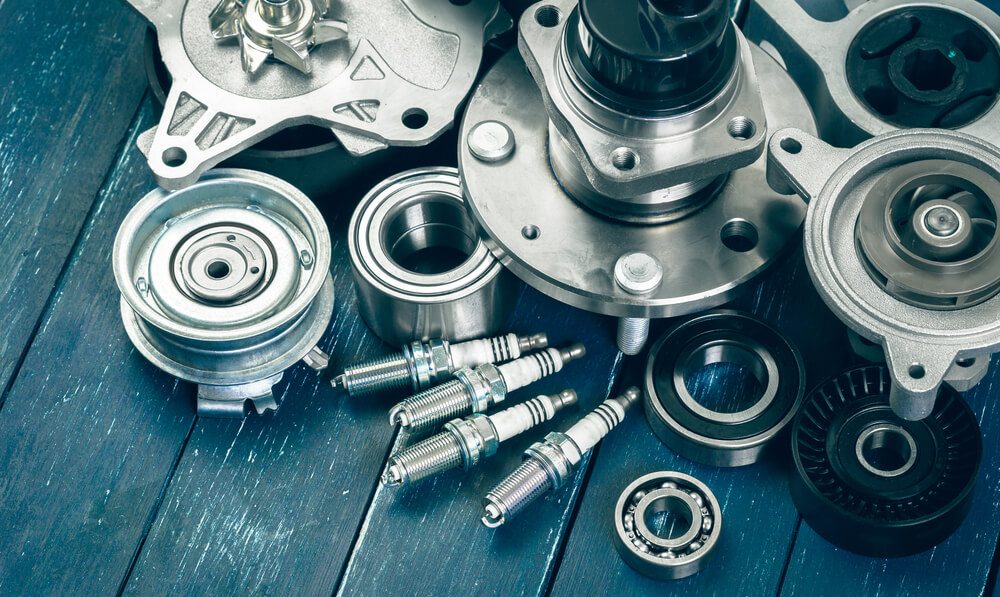
InventoryManufacturing Tips Kitting – Benefits, Examples, and Best Practices Kitting is a valuable method to help manage raw material and finished goods inventories and optimize the manufacturing process. There are two main types of kitting and numerous instances in which either of them can prove useful. By Madis Kuuse 15 min read
Supply Chain What Is Distributed Manufacturing? In distributed manufacturing, production facilities are scattered throughout an extended geographical area, each one serving their local market, with their work coordinated with the help of cloud-based software. Distributed manufacturing is gradually gaining ground thanks to providing benefits such as shorter lead times and lower distribution costs. By Madis Kuuse 7 min read
Manufacturing Tips How to Communicate Effectively in a Manufacturing Company? An exchange of information is necessary to trigger any kind of action and as such, communication is an essential part of any manufacturing business. Improving your communication process and practices can therefore have a significant effect on the efficiency of your business. By Madis Kuuse 9 min read
InventoryManufacturing TipsSupply Chain Materials Management – Definition, Benefits, Best Practices Implementing proper materials management practices allows businesses to make sure the correct materials with the best price and quality reach the shop floor at the right time and in the correct quantity. Follow these best practices to get more control over this essential segment of the supply chain. By Madis Kuuse 12 min read
ERPManufacturing Tips Paperless Manufacturing – How to Build a Paperless Factory? Paperless manufacturing means managing, coordinating, and reporting production activities purely with digital solutions. A paperless factory typically sees benefits such as the elimination of non-value-added tasks, better traceability, optimized production scheduling, shorter lead times, etc. By Madis Kuuse 9 min read
Choosing a SoftwareImplementationManufacturing Tips Advantages and Disadvantages of Using an MRP System Even though MRP systems are quickly becoming the norm even among SMEs, manufacturers need to be aware of their advantages and disadvantages before deciding to implement new software. Apart from the general benefits and downsides that can be applied to most MRP systems, there are also aspects that can drastically vary from provider to provider. By Madis Kuuse 12 min read
Case Studies Success Story: High-Tech Batch Processing Company Encapsulates Success with MRP Software After trying out a number of solutions, innovative microencapsulated fragrance maker MicroCapture found a perfect software companion in MRPeasy. “We managed to set up bills of materials and products in a single week,” says Customer Support Executive, Kate Taylor. By Mattias Turovski 5 min read
InventoryManufacturing TipsSupply Chain Material Planning – Definition, Tools, and Tips Material planning is the process of figuring out what and how much is needed in order to produce goods within a specified timeframe, and ensuring the timely delivery of those materials. Accurate material planning can contribute significantly to the efficiency and profitability of a company. By Madis Kuuse 13 min read
Case StudiesERPNews MRPeasy Customer Survey 2022 In the final quarter of 2022, we conducted a survey among all MRPeasy users. Today, the results are in and analyzed. Here is a short summary of what our clients say about their experience with MRPeasy. By Madis Kuuse 4 min read
Case Studies Success Story: Eco Bubble Toy Maker’s Business Soaring with MRPeasy On a quest to raise the efficiency of a growing manufacturing operation, innovative eco bubble toy company Dr Zigs has found an invaluable asset in MRPeasy. “MRPeasy has increased our efficiency fantastically. We could not imagine working without the program,” business owner Paola Dyboski states. By Mattias Turovski 6 min read
Manufacturing TipsSupply Chain Procurement Planning – A Simple Guide A thoroughly planned procurement process helps to ensure that a company’s purchases arrive in a timely manner and in the right quantities, from the best vendors and with good prices. A well thought out procurement plan helps businesses stay in control of the product manufacturing cycle and avoid last-minute surprises. By Mattias Turovski 9 min read
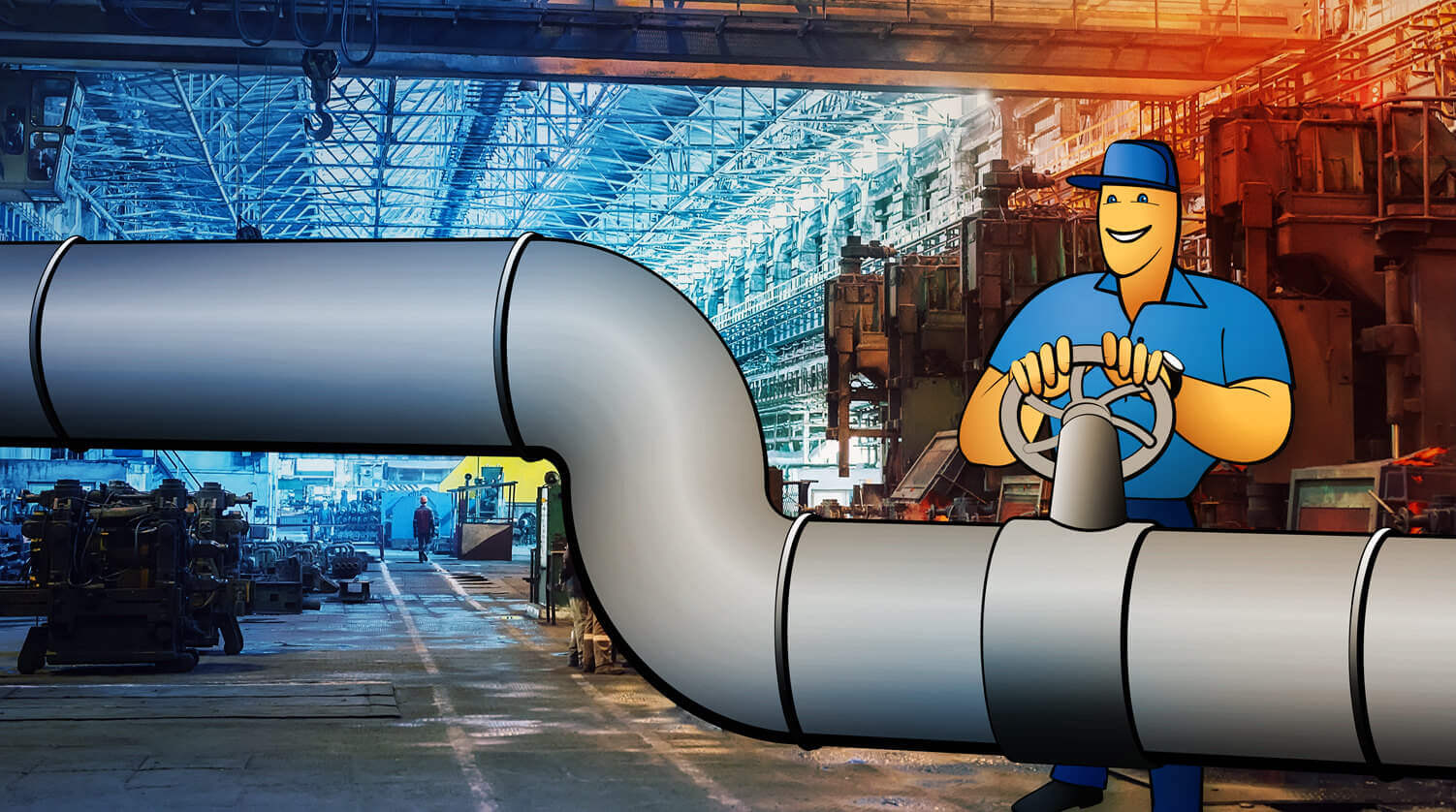
InventoryManufacturing TipsSupply Chain What Is Pipeline Inventory? Pipeline inventory consists of goods that a company has ordered but which have not yet arrived in the facility. Managing this type of inventory can help schedule production or shipments in advance, reduce standing inventory levels, and avoid stock-outs. By Mattias Turovski 8 min read