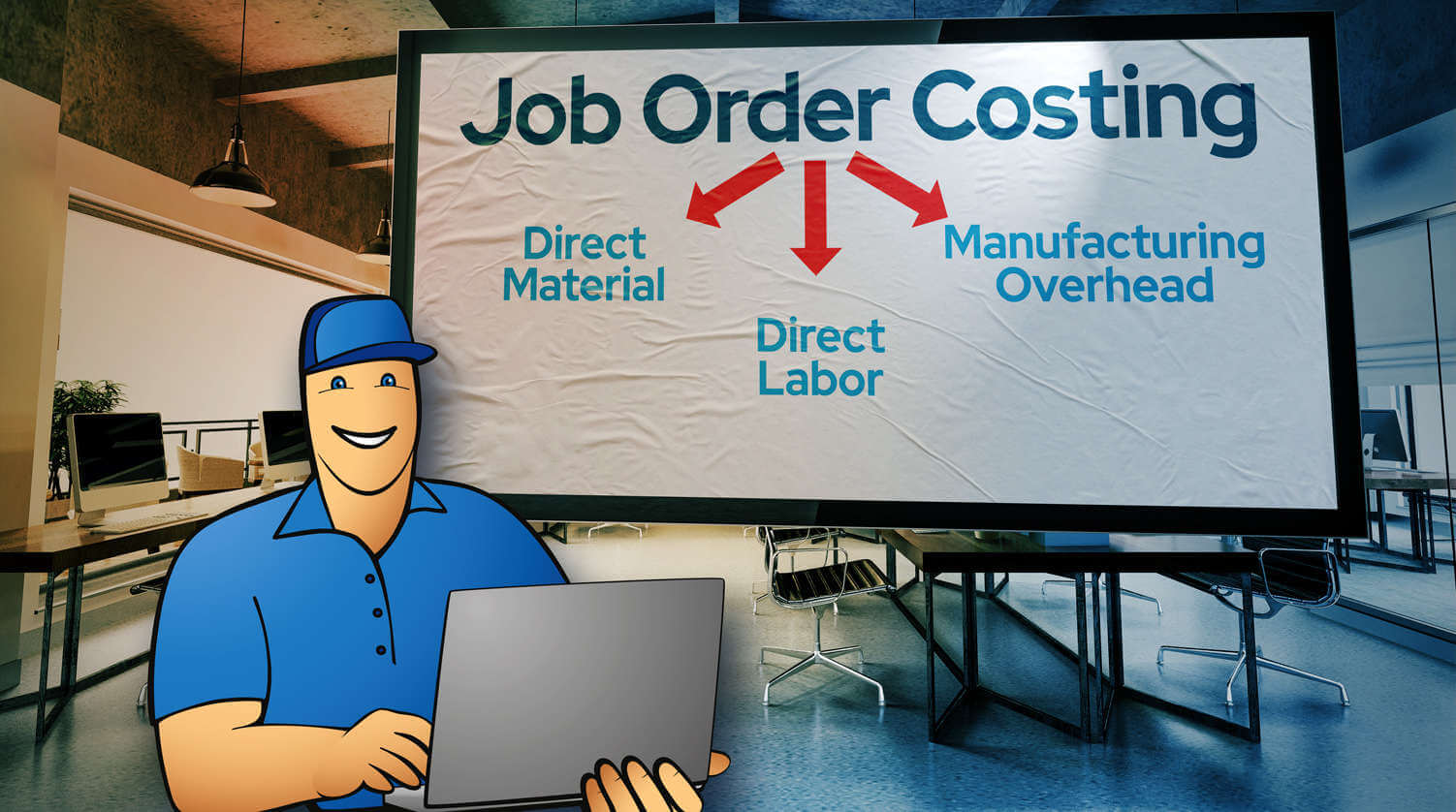
AccountingManufacturing TipsSales Job Order Costing – Achieving Accurate Margins in the Job Shop Job order costing tracks the materials, labor, and overhead of each individual job instead of averaging them across production. For make-to-order manufacturing business owners, it’s the difference between quoting a job profitably and eroding profit without realizing it. By Steve Maurer, IME 15 min read
AccountingManufacturing Tips Product Costing: A Complete Guide for Manufacturers Most manufacturers can quote a selling price to the penny. Far fewer know what each product truly costs to build. Product costing closes that gap, and the number it produces drives nearly every decision that protects your margin. By Steve Maurer, IME 15 min read
Manufacturing TipsProduction planning Multi-Level BOM (Indented BOM): Benefits, Tips, and Use Cases A multi-level BOM is a bill of materials that represents the composition of subassemblies in addition to the final product. This type of BOM becomes indispensable when a certain level of product complexity is reached, but there are also situations where a multi-level BOM is unwarranted. By Madis Kuuse 12 min read
Choosing a SoftwareManufacturing TipsProduction planning Production Planning Excel Template: How to Build a Production Schedule and When to Move to MRP? Excel spreadsheets can be a good place to start with production planning. They give manufacturers a simple way to organize everything. That works well until production gets more complex and the schedule starts changing faster than the spreadsheet can keep up. By Steve Maurer, IME 19 min read
Manufacturing TipsSupply Chain Copacking – What is Contract Packaging and How to Manage It? Copacking gives manufacturers a practical way to handle packaging without taking on the full cost of more equipment, labor, or floor space. It can add flexibility and expand capacity, especially when specialized packaging is needed. But it only pays off when the process is managed well and is cost-effective. By Steve Maurer, IME 11 min read
Manufacturing TipsProduction planningSupply Chain Push System vs. Pull System in Manufacturing Profitable manufacturing depends on having the right parts and finished goods available when needed—without excess inventory tying up cash. While most manufacturers rely on push or pull systems, there’s a third approach that can often deliver better results. By Steve Maurer, IME 17 min read
Manufacturing Tips Root Cause Analysis in Manufacturing: What is RCA and How to Do it? It’s great when production runs smoothly. However, when problems arise, SMEs must delve deeper than surface symptoms and conduct a root cause analysis. Without identifying the underlying causes of failure, you’re trapped endlessly in putting out fires, wasting time and money on temporary fixes. By Steve Maurer, IME 21 min read
Choosing a Software Manufacturing Execution System Software as a Cloud-Based Solution From remote access and better scalability to integrated data management – there are numerous advantages to having Manufacturing Execution System (MES) software as a cloud-based solution. By Madis Kuuse 14 min read
AccountingERPManufacturing Tips What Is Job Costing and How to Get It Right? Job costing is a tried and tested cost accounting method useful for many companies. In this article, we look at the components of job costing, where to use it, and talk about the importance of accurate cost accounting. By Mattias Turovski 11 min read
Manufacturing TipsProduction planning Quality Assurance in Manufacturing – QA Best Practices for SMEs Next to how much you produce, the quality of products is an equally important side of the coin in manufacturing. Quality assurance serves as the process of maintaining consistency, preventing defective products, and adhering to industry regulations in manufacturing goods. By Mattias Turovski 12 min read
Inventory What Is Safety Stock and How to Calculate It? Safety stock is the buffer inventory that helps companies keep serving their customers when disruptions occur. Striking a balance between stockouts and overstocking needs to rely on reliable data and mathematical equations, however. By Madis Kuuse 13 min read
InventoryManufacturing Tips Kitting – Benefits, Examples, and Best Practices Kitting is a valuable method to help manage raw material and finished goods inventories and optimize the manufacturing process. There are two main types of kitting and numerous instances in which either of them can prove useful. By Madis Kuuse 15 min read